Variants of co-habitant inside ‘SARS-CoV-2’ get its Greek letter-based novel nomenclature by WHO
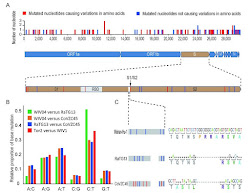
The on-going pandemic spread of the virus ‘ SARS-CoV-2 ’ resulted in the generation of thousands of its genome sequences across the globe. And so, with its unparalleled rate of growth, scientists, researchers and global health leaders felt the need of having a proper phylogenetic framework in order to track and understand the gravity, patterns and determinants of the fatality imposed by the virus on the population all over the world. At present, there are over 35,000 genome sequences that have either a complete or near complete genome sequences of SARS-CoV-2. So, let us talk about the definition of genome structure of the virus first. What does a virus genome made of? Well, the virus genome consists of symmetric protein called as ‘capsid’, which is composed of either a single or a multiple protein. The virus can have either a DNA or an RNA- based genome, respectively. So, a virus genome alters through the process of mutation by changing a few genetic letters by infecting more people ...